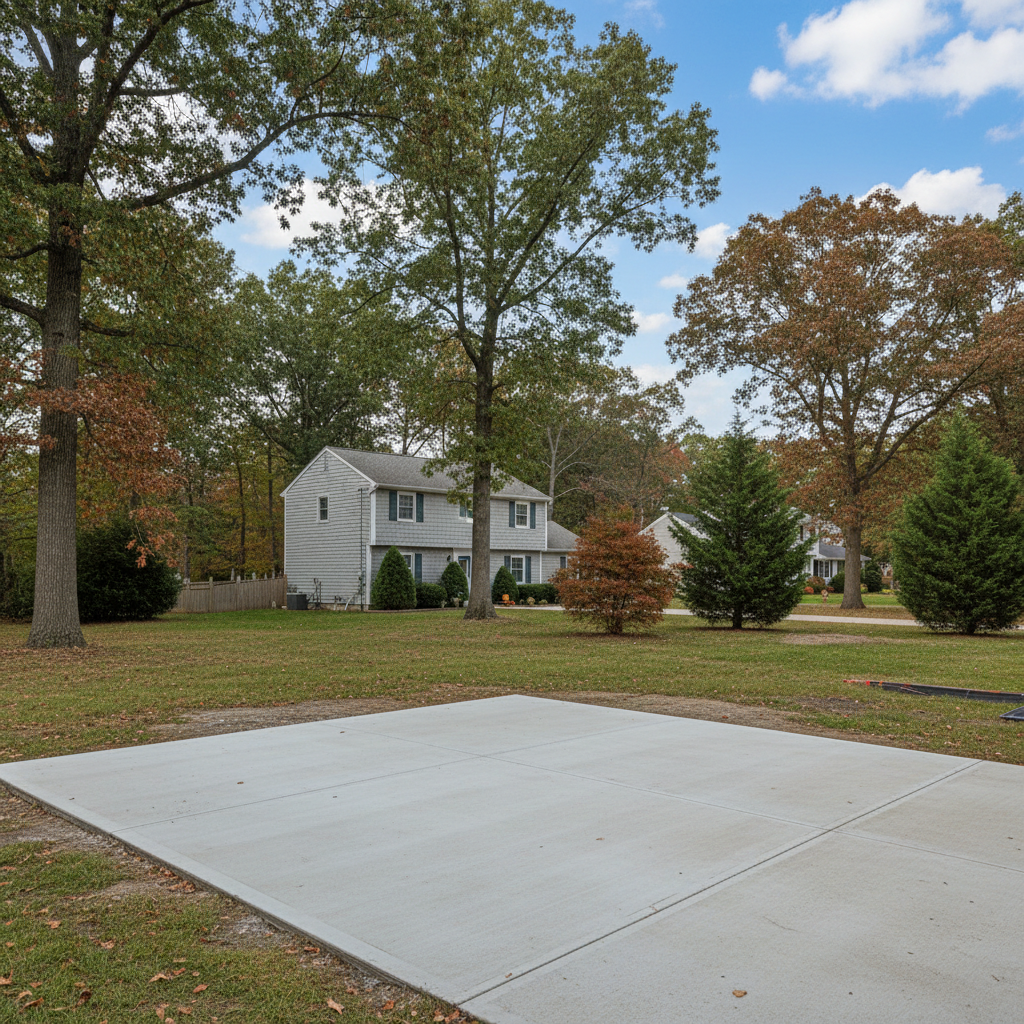
So, you've invested in getting your concrete repaired. Maybe it was a cracked driveway, a sinking patio, or some busted steps. Whatever it was, you want that repair to last, right? Of course you do. Nobody wants to deal with the same problem again a year or two down the road. As a local contractor, I've seen countless concrete jobs come and go, and I can tell you, a good repair is only half the battle. The other half is how you treat it afterward.
Extend the Life of Your Concrete Repair
This isn't rocket science, but it's important. First off, give it time to cure. Your contractor should tell you exactly how long, but generally, stay off it for at least 24-48 hours for foot traffic, and a good week or more for vehicles. Pushing it too soon is just asking for trouble. That concrete needs to gain its full strength.
Once it's cured, sealing is your best friend, especially here in Oceanport. We get all four seasons, and those freeze-thaw cycles are brutal on concrete. Water gets into tiny pores, freezes, expands, and then thaws, slowly breaking things apart. A good quality penetrating sealer, applied every 2-5 years depending on the product and traffic, creates a barrier. It's like putting a raincoat on your concrete. It won't stop everything, but it'll significantly reduce water absorption and protect against salt damage, which is a big deal when the snow flies and everyone's spreading de-icers.
Also, think about drainage. If water is constantly pooling on or near your repaired area, that's a problem. Make sure downspouts are directed away, and that the grade around your concrete slopes correctly. Standing water is a concrete killer.
Regular Maintenance: What You Should Be Doing
Maintenance for concrete isn't high-tech, but it's consistent. Keep it clean. Sweep off leaves, dirt, and debris regularly. If organic matter sits and decomposes, it can stain and even hold moisture against the surface. For tougher grime, a pressure washer on a low setting can work, but be careful not to blast too aggressively, especially on older or more porous concrete. You don't want to etch the surface or loosen aggregates.
When winter hits, be smart about de-icing. Avoid rock salt (sodium chloride) if you can. It's cheap, but it's really harsh on concrete, causing scaling and spalling. Calcium chloride or magnesium chloride are better options, or even better, sand for traction. Shovel snow promptly. The less time moisture has to sit and freeze, the better. And definitely don't use metal shovels with sharp edges directly on the concrete; plastic shovels are much gentler.
If you have any cracks, even hairline ones, keep an eye on them. Small cracks can be sealed with a flexible caulk designed for concrete. It's a cheap fix that can prevent water from getting in and making the problem much worse.
Warning Signs You've Got a Problem
Your concrete will talk to you if you know what to look for. Don't ignore these signs:
- New Cracks: Especially if they're wide, deep, or spreading quickly. Hairline cracks are one thing, but anything you can stick a credit card into is a red flag.
- Spalling or Scaling: This is when the surface of the concrete starts flaking off or peeling away. It often looks like the top layer is disintegrating. This is usually a sign of freeze-thaw damage or poor quality concrete/finishing.
- Sinking or Unevenness: If a section of your repaired concrete starts to sink or become noticeably uneven with the surrounding areas, that's a sub-base issue. The ground underneath isn't stable.
- Pitting: Small holes or craters appearing on the surface. This can be caused by aggregate popping out, or again, de-icing salts.
- Discoloration or Stains: While some stains are just cosmetic, persistent dark, damp spots could indicate moisture issues underneath.
When to Call a Professional (Like ENJ Concrete Construction)
Look, I'm all for DIY, but some things are best left to the pros. If you see any of those serious warning signs – significant new cracks, widespread spalling, or sinking sections – it's time to call someone. Don't wait until it becomes a tripping hazard or a structural issue. Early intervention can save you a lot of money and headaches down the line.
If you're unsure about the best type of sealer for your specific concrete, or if you're noticing recurring issues despite your best efforts, get an expert opinion. Sometimes the problem isn't just the concrete itself, but the underlying soil, drainage, or even the original installation. For example, many homes around the lagoons and creeks in Oceanport have particular soil conditions that can impact concrete over time, and we know how to assess that.
We at ENJ Concrete Construction are always happy to take a look. A quick inspection can tell you a lot and give you peace of mind. Taking care of your concrete isn't just about aesthetics; it's about safety and protecting your property's value. A little attention goes a long way.