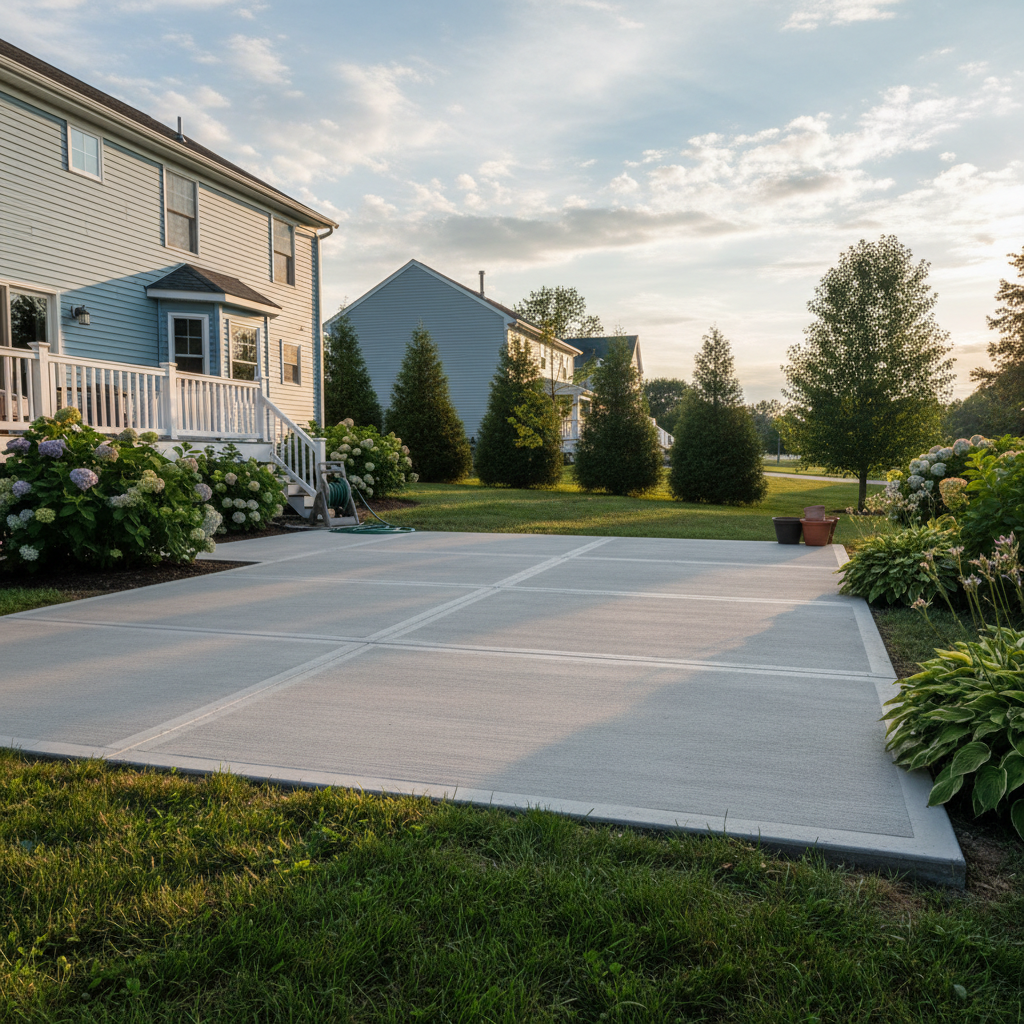
So, you’ve got a beautiful concrete patio. Maybe we even poured it for you right here in Oceanport, which is great! But just because it’s concrete doesn’t mean you can just forget about it. Concrete is tough, sure, but it’s not indestructible. Not with the wild swings in weather we get around here, anyway. You want that patio to last, right? To keep looking good for years of barbecues, outdoor living, and just plain enjoying your backyard. Well, it takes a little bit of care, but it’s nothing you can’t handle.
Regular Maintenance: Your Patio's Best Friend
Think of it like this: a little effort now saves you a lot of headache and money down the road. Most of what you need to do is pretty straightforward, honestly.
- Keep it Clean: This is probably the easiest thing. Sweep off leaves, dirt, and other debris regularly. If you let organic matter sit there, especially in our damp climate, it’ll break down and leave stains. For general cleaning, a hose and a stiff brush with some mild dish soap usually do the trick. For tougher spots, a pressure washer on a low setting (around 1500-2000 PSI) is fine, but be careful. Don't hold it too close or blast away at one spot for too long – you can damage the surface.
- Deal with Spills Immediately: Oil, grease, wine, pet messes – these things can soak into concrete and leave nasty stains if you let them sit. Blot up what you can, then use a concrete cleaner or a paste of baking soda and water for oil. If you have colored concrete, be extra careful, as some cleaners can affect the pigment.
- Seal It Up: This is huge, especially for us in New Jersey. We get freezing winters and hot, humid summers, after all. Water seeps into concrete, freezes, expands, and then thaws, causing cracks and spalling (that’s when the surface flakes off). A good quality penetrating sealer protects against this freeze-thaw cycle, plus it helps repel stains. I usually recommend resealing every 2-5 years, depending on the sealer type and how much traffic your patio gets. It’s not a hard job; you can roll or spray it on.
- Watch the Edges: If your patio is bordered by grass or garden beds, keep an eye on those edges. Roots can push up concrete, and soil erosion can undermine it. Trim back plants and make sure water isn't constantly pooling against the patio's perimeter.
Warning Signs: Don't Ignore These
Your patio will usually tell you when something's not right. You just need to know what to look for, that's all.
- Cracks: Small hairline cracks are often just surface shrinkage and usually aren't a big deal. But if you see cracks that are wider than a credit card, or if they’re getting longer, wider, or showing vertical displacement (one side is higher than the other), that’s a red flag. These could indicate sub-base issues or significant movement.
- Spalling or Flaking: This is when the top layer of concrete starts to peel or flake off. It’s usually a sign of freeze-thaw damage, especially if your concrete wasn't properly sealed or cured, or if de-icing salts were used.
- Pitting: Small holes or craters on the surface. Similar to spalling, this can be from freeze-thaw or aggregate pop-outs.
- Unevenness or Sinking: If one section of your patio is noticeably lower than another, or if it’s sloping in a way it didn’t before, you likely have a problem with the sub-base settling or washing away. This is common in areas with sandy soils like parts of Oceanport, especially after heavy rains.
- Persistent Stains or Discoloration: If you’ve cleaned it thoroughly and stains keep coming back, or if large areas are discolored, it might be a sign of moisture issues underneath or a failing sealer.
When to Call a Professional (Like Us!)
Look, a lot of patio maintenance you can do yourself. But there are times when it’s smarter, safer, and ultimately more cost-effective to bring in the pros. Don’t wait until a small problem turns into a huge, expensive repair.
- Significant Cracks: If those cracks are getting serious, especially if they’re structural or letting a lot of water in, you need someone to assess the cause and recommend the right repair. We can often inject epoxy or polyurethane to stabilize them.
- Sinking or Uneven Slabs: This is definitely a job for experts. We use techniques like mudjacking or polyjacking to lift and level slabs by injecting material underneath. Trying to fix this yourself can make it worse.
- Extensive Spalling or Pitting: If a large portion of your patio surface is deteriorating, it might need resurfacing or even replacement. We can assess if a new overlay is feasible or if a full tear-out is necessary.
- Drainage Issues: If water is consistently pooling on your patio, or if it’s draining towards your house foundation, that’s a serious issue. We can evaluate the grading and suggest solutions, whether it’s minor regrading or installing a trench drain.
- You're Just Not Sure: If you see something that worries you and you’re not confident in diagnosing or fixing it, just give us a call. It’s always better to get a professional opinion early. Here at ENJ Concrete Construction, we’re happy to come out, take a look, and give you an honest assessment of what’s going on and what your options are. We’d rather help you keep your patio in great shape than see it fall apart.
Taking care of your concrete patio isn’t rocket science, but it does require a little attention. A well-maintained patio adds value to your home and gives you a fantastic outdoor space to enjoy for decades. Keep an eye on it, give it a little love, and it’ll serve you well.