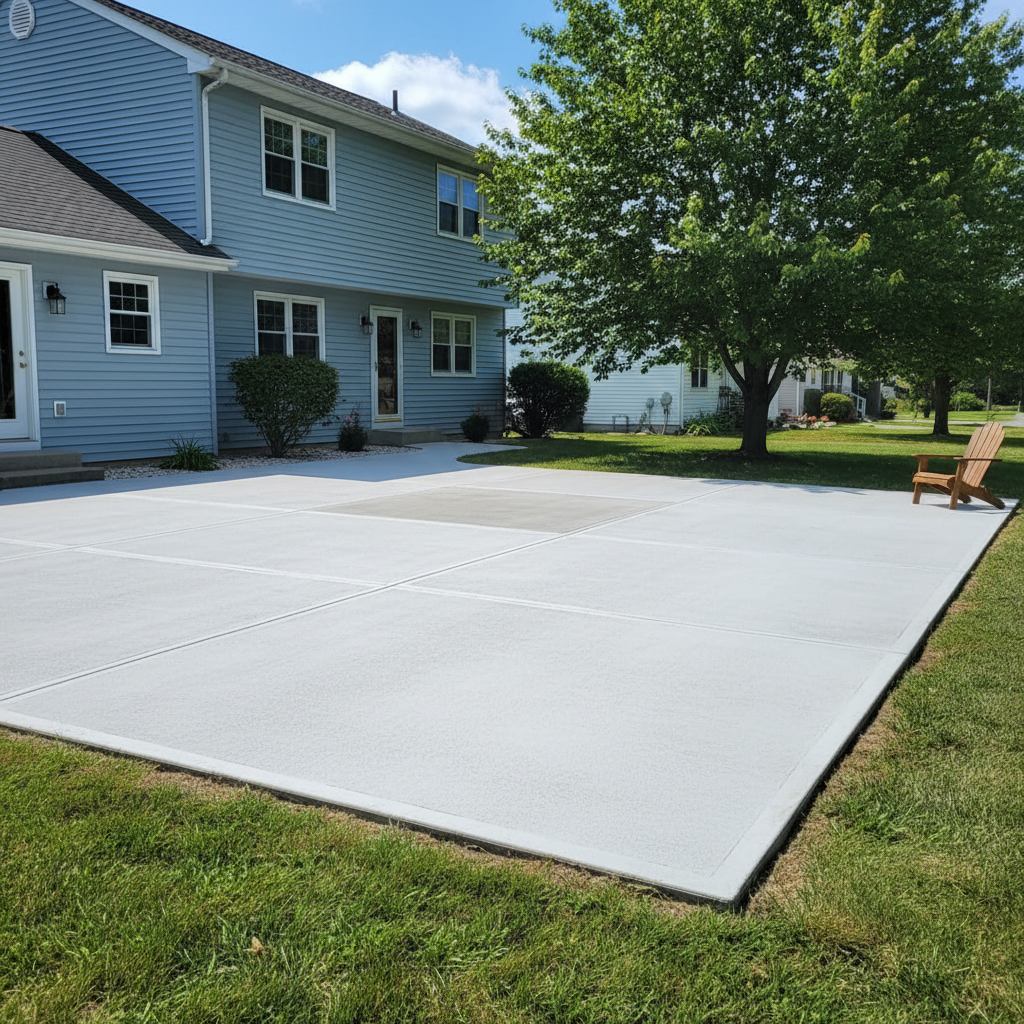
You just invested in fixing up your concrete, whether it was a cracked driveway, a sinking patio, or some crumbling steps. That's a smart move. But getting the repair done is only half the battle. If you want that work to truly last, you've got to give it a little love and attention. I've seen too many good repairs go bad because folks didn't know how to protect their investment, especially here in Oceanport where our winters can be brutal and our summers humid.
Extending the Life of Your Concrete Repair
Once we've patched, resurfaced, or replaced a section of concrete, the goal is to make sure it doesn't just fail again in a year or two. A big part of that is proper curing, which we handle, but what you do afterward matters a lot. The first thing? Give it time. Don't drive on a new driveway patch for at least a week, sometimes longer depending on the mix and the weather. We'll tell you exactly when it's safe.
Sealing is also huge. I can't stress this enough. A good quality concrete sealer acts like a raincoat for your concrete. It repels water, oil, and other stains, and it's your best defense against our freeze-thaw cycles. When water seeps into unsealed concrete, freezes, and expands, it creates pressure that can crack even the toughest repair. You should plan on resealing every 2-5 years, depending on traffic and the type of sealer. It's a simple DIY job, usually, or we can do it for you.
Another tip: keep heavy loads off it. If you've got a new section of concrete, don't park your RV or heavy equipment on it constantly. Concrete is strong, but it has its limits, especially when it's still relatively new or if the repair was for a structural issue.
Regular Maintenance: What You Need to Do
This isn't rocket science, but it makes a difference. Here's what I tell my clients:
- Keep it clean: Sweep off dirt, leaves, and debris regularly. This prevents organic matter from breaking down and staining the surface. Pressure washing can be okay, but don't go too aggressive, especially on newer repairs or if the concrete is older.
- Address spills immediately: Oil, grease, chemicals – these can stain and even degrade concrete over time. Blot them up quickly and clean the area with a mild detergent.
- Watch out for de-icers: This is a big one for us in New Jersey. Many de-icing salts, especially those containing ammonium nitrates or sulfates, are terrible for concrete. They can cause spalling and surface damage. Stick to sand for traction or use de-icers specifically labeled as concrete-safe, like those with calcium chloride. Even then, use them sparingly and rinse the area once the ice is gone.
- Trim nearby vegetation: Tree roots are notorious for cracking concrete. If you have trees or large shrubs near your repaired areas, keep an eye on them. Sometimes, roots grow under slabs and lift them, or they can push against edges, causing new cracks.
Warning Signs You Shouldn't Ignore
Your concrete will usually tell you when it's having a problem. Don't wait until it's a major headache. Look out for:
- New cracks forming: Especially if they're wide, deep, or spreading quickly. Hairline cracks are often normal, but anything bigger than a credit card's width needs attention.
- Spalling or flaking: This is when the surface of the concrete starts to chip or peel away. It's often a sign of water damage, freeze-thaw issues, or poor concrete quality.
- Uneven surfaces or sinking sections: If parts of your repaired area are starting to sink or become unlevel, that points to issues with the sub-base, which is the ground underneath. This can be serious and lead to tripping hazards.
- Pitting: Small holes or craters on the surface can indicate aggregate exposure or surface wear, often from de-icers or heavy abrasion.
- Discoloration or persistent staining: While some stains are just cosmetic, widespread discoloration can sometimes point to moisture problems or chemical reactions within the concrete.
When to Call a Professional (Like ENJ Concrete Construction)
Look, I'm not going to tell you to call us for every little thing. If it's a small hairline crack that hasn't changed in months, or a minor stain you can clean, you're probably fine. But there are times when you really do need a pro to take a look.
If you see any of those warning signs I just mentioned, especially new, significant cracks, sinking sections, or widespread spalling, it's time to pick up the phone. These issues often mean there's a deeper problem than just a surface fix. Trying to DIY a structural issue usually ends up costing more in the long run. We've got the tools and the know-how to diagnose the real problem, whether it's poor drainage, a failing sub-base, or something else. We can offer solutions that will actually last, not just a temporary patch. Don't let a small problem turn into a full-blown replacement job because you waited too long. Give us a call at ENJ Concrete Construction, and we'll come take a look.