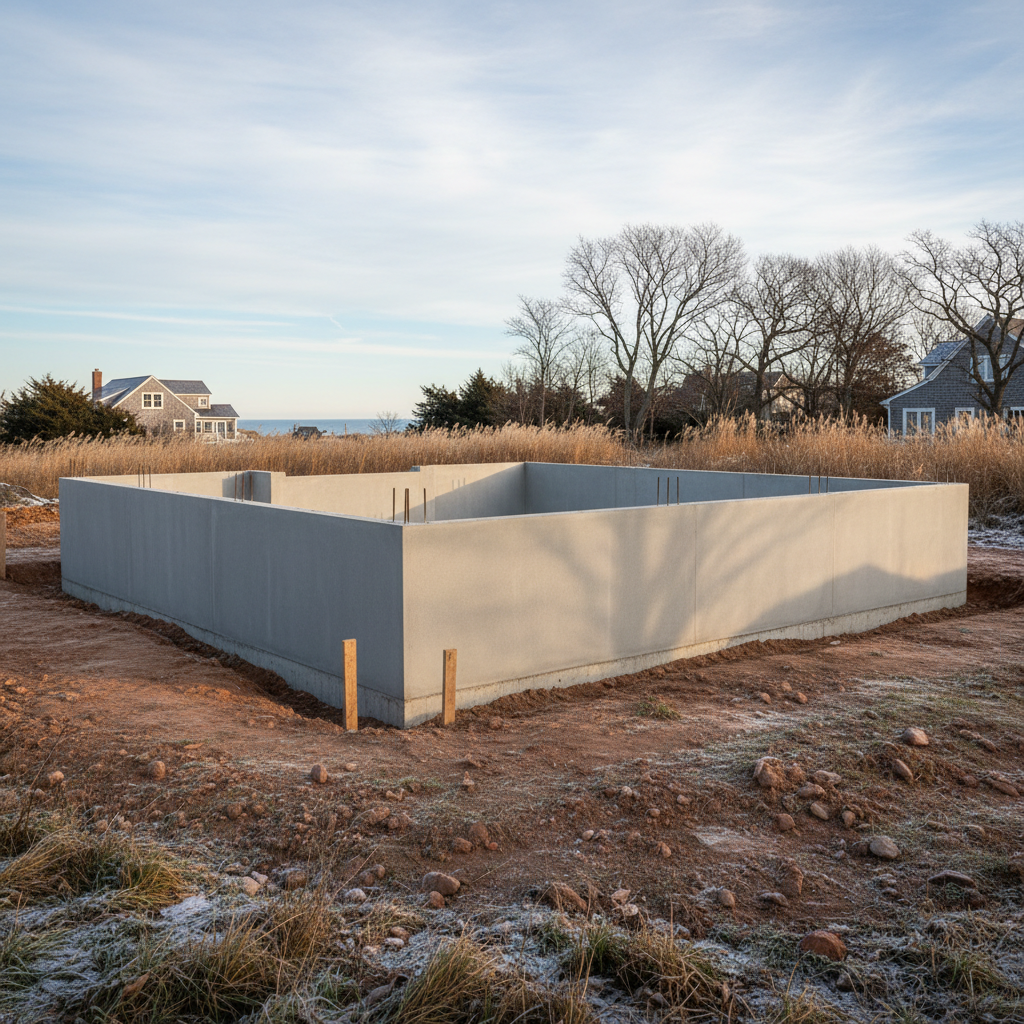
You're thinking about a new patio, a foundation for that addition, or maybe just fixing up some cracked walkways. That's great! But before you jump in, especially here in Oceanport, you need to understand how our local weather plays a huge role in concrete work.
I've been pouring concrete around here for years, and I've seen it all. The biggest mistake folks make? Not considering the seasons. It's not just about getting the job done; it's about getting it done right so it lasts.
When's the Best Time to Pour Concrete in Oceanport?
Honestly, spring and fall are your best friends for concrete work around here. You want those moderate temperatures. Think 50 to 70 degrees Fahrenheit. Why? Concrete needs to cure properly, and extreme heat or cold messes with that process big time.
- Spring (April-June): This is prime time. The ground's thawed out, we're usually past the worst of the heavy rains, and the temperatures are steady. It gives the concrete plenty of time to gain strength before the summer heat hits.
- Fall (September-October): Another sweet spot. The scorching summer days are behind us, and we're not yet battling frozen ground. You get good, consistent curing conditions.
What you want to avoid is the dead of summer or the middle of winter. Trying to pour in July when it's 90 degrees and humid? The water in the mix evaporates too fast, leading to cracking and a weaker slab. And forget about pouring when the ground's frozen solid or when temperatures are consistently below 40 degrees. That's just asking for trouble; the water in the mix will freeze, expand, and ruin the concrete's integrity before it even has a chance to set.
Weather Conditions That Make or Break a Concrete Job
It's not just the temperature; it's the whole package. Humidity, wind, and rain all factor in.
- Rain: Obvious, right? You can't pour concrete in a downpour. It dilutes the mix, washes away cement, and weakens the final product. Even a light drizzle can cause issues with the surface finish.
- Wind: A strong breeze might seem harmless, but it can dry out the surface of fresh concrete too quickly. This leads to what we call 'plastic shrinkage cracking.' We can mitigate this with covers, but calm days are always better.
- Humidity: High humidity slows down drying, which isn't always bad, but too much can make finishing a nightmare. Low humidity, combined with wind, speeds up drying too much. It's a delicate balance.
- Ground Conditions: This is huge, especially in Oceanport with our sandy, sometimes marshy soil closer to the Shrewsbury River. The sub-base needs to be stable, well-drained, and properly compacted. If it's too wet or unstable, your concrete won't have the support it needs, and you'll see cracking and settlement down the line. We always make sure the ground is prepped right before we even think about mixing.
Protecting Your Concrete Investment Year-Round
Once your concrete is poured and cured, your job isn't over. You've made a significant investment, and you want it to last. Here's how to keep it looking good and performing well:
- Seal It: This is probably the most important thing you can do. A good quality concrete sealer protects against moisture penetration, freeze-thaw cycles, salt damage (especially important with our winters and proximity to the bay), and staining. I recommend sealing new concrete within a year of installation and then every 2-5 years depending on traffic and exposure.
- Clean Regularly: Sweep off debris, leaves, and dirt. Use a pressure washer on a low setting for tougher grime, but be careful not to damage the surface.
- Deal with Spills Immediately: Oil, grease, rust, and chemicals can stain or even degrade concrete if left to sit. Clean them up as soon as you can.
- Avoid De-icing Salts: This is a big one for winter. Many de-icing products contain chemicals that are harsh on concrete, especially newer slabs. Sand is a better option for traction. If you must use a de-icer, look for products labeled 'concrete safe.'
- Address Cracks Promptly: Small cracks can turn into big problems. Water gets in, freezes, expands, and makes the crack worse. Use a quality concrete caulk or filler to seal them up.
Look, concrete isn't just concrete. It's a foundational part of your home and property. Getting it right from the start, considering our local conditions, and then taking care of it, will save you headaches and money down the road. If you're planning a project and want to talk through the best approach for your specific situation, give ENJ Concrete Construction a call. We're always happy to share our experience.